
Understanding Image Classification: Basics and Benefits
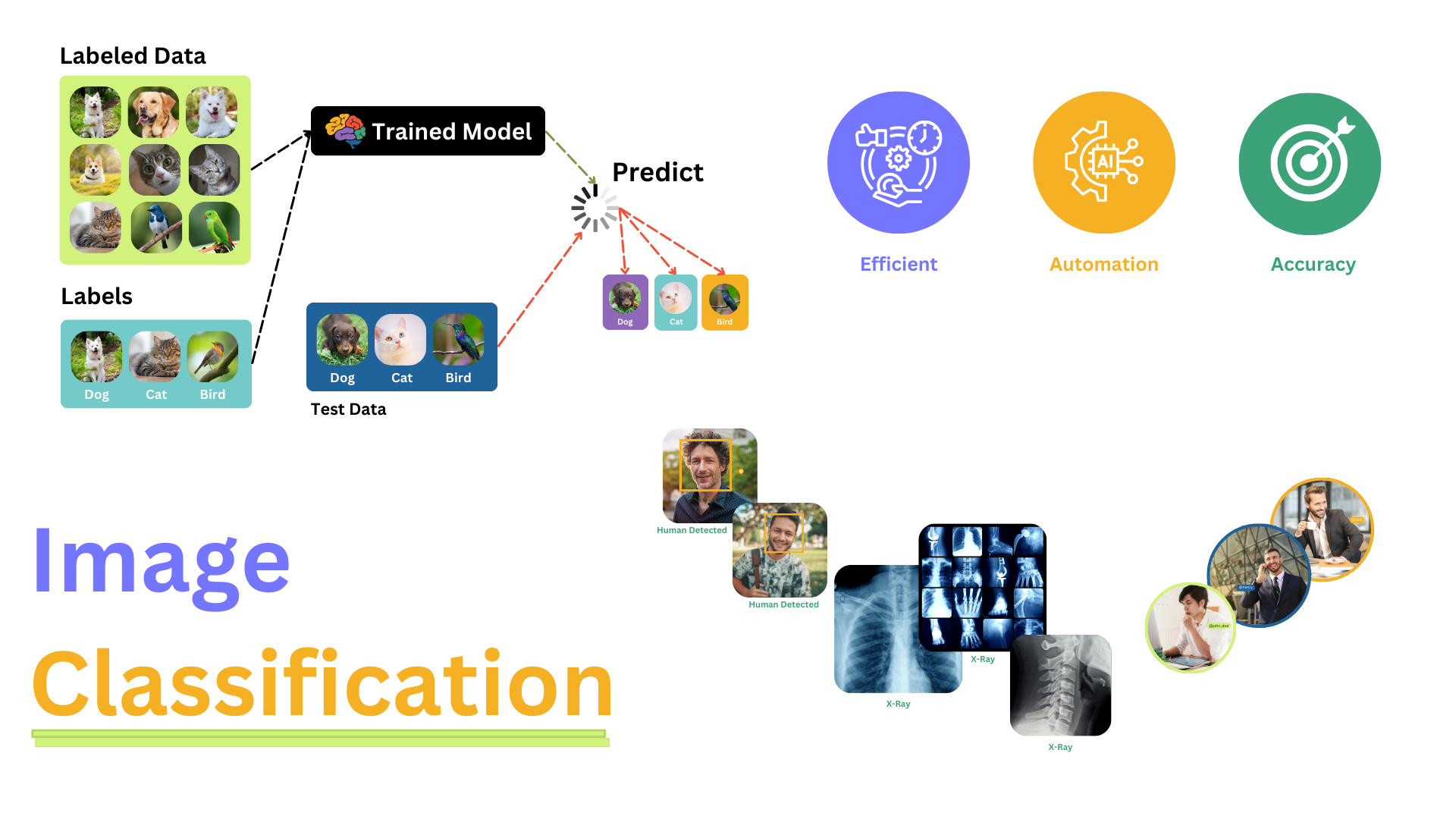
Image classification is a key technology in the field of artificial intelligence (AI) and machine learning. It helps computers understand and identify objects in images, which is useful in many areas of life. This article will explain what image classification is, how it works, and why it is important.
What is Image Classification?
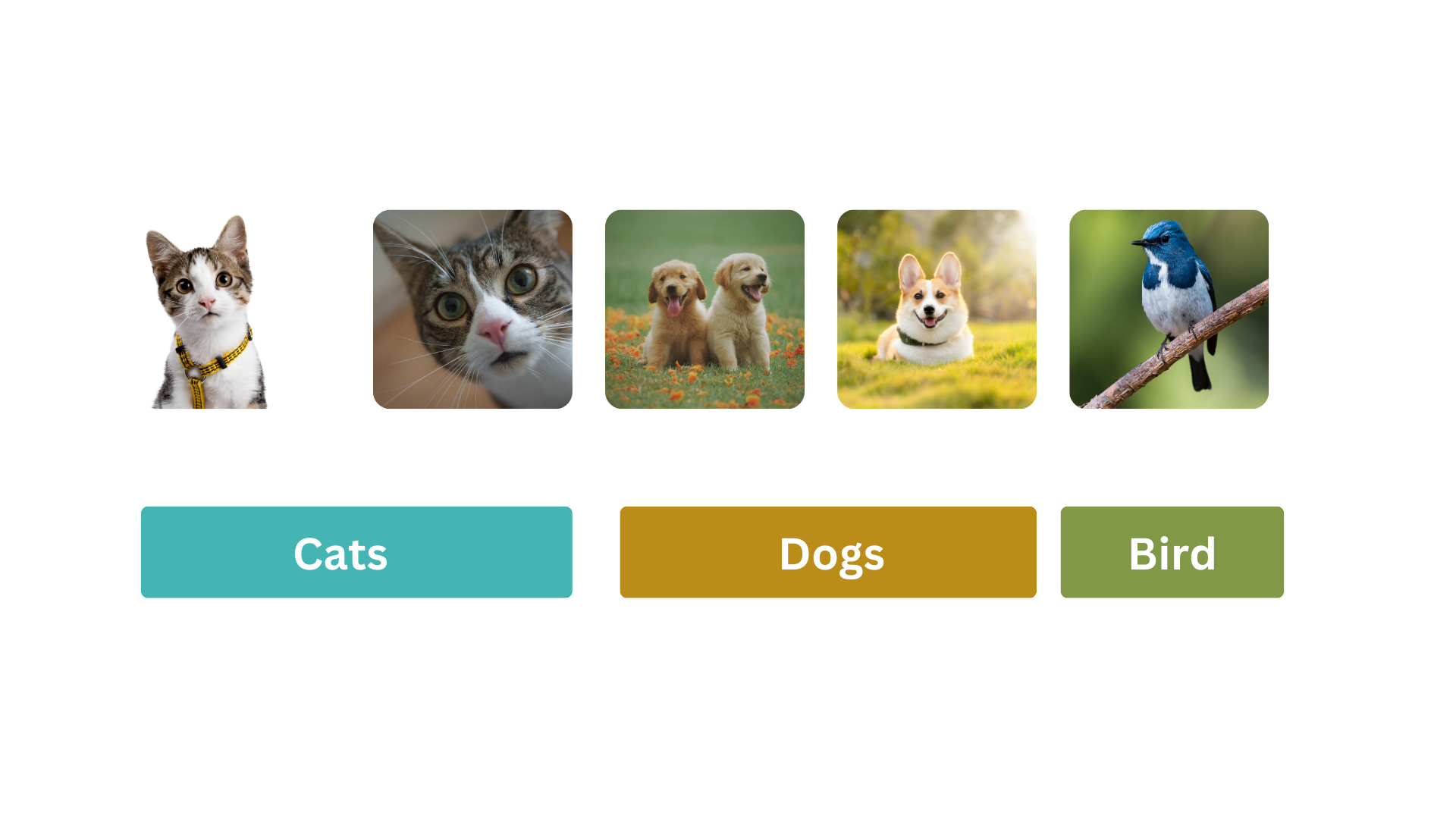
Image classification is the process of teaching a computer to recognize and categorize objects within an image. For example, a computer can learn to distinguish between pictures of cats, dogs, and birds. This ability to categorize images helps in automating tasks that involve visual data.
How Does Image Classification Work?
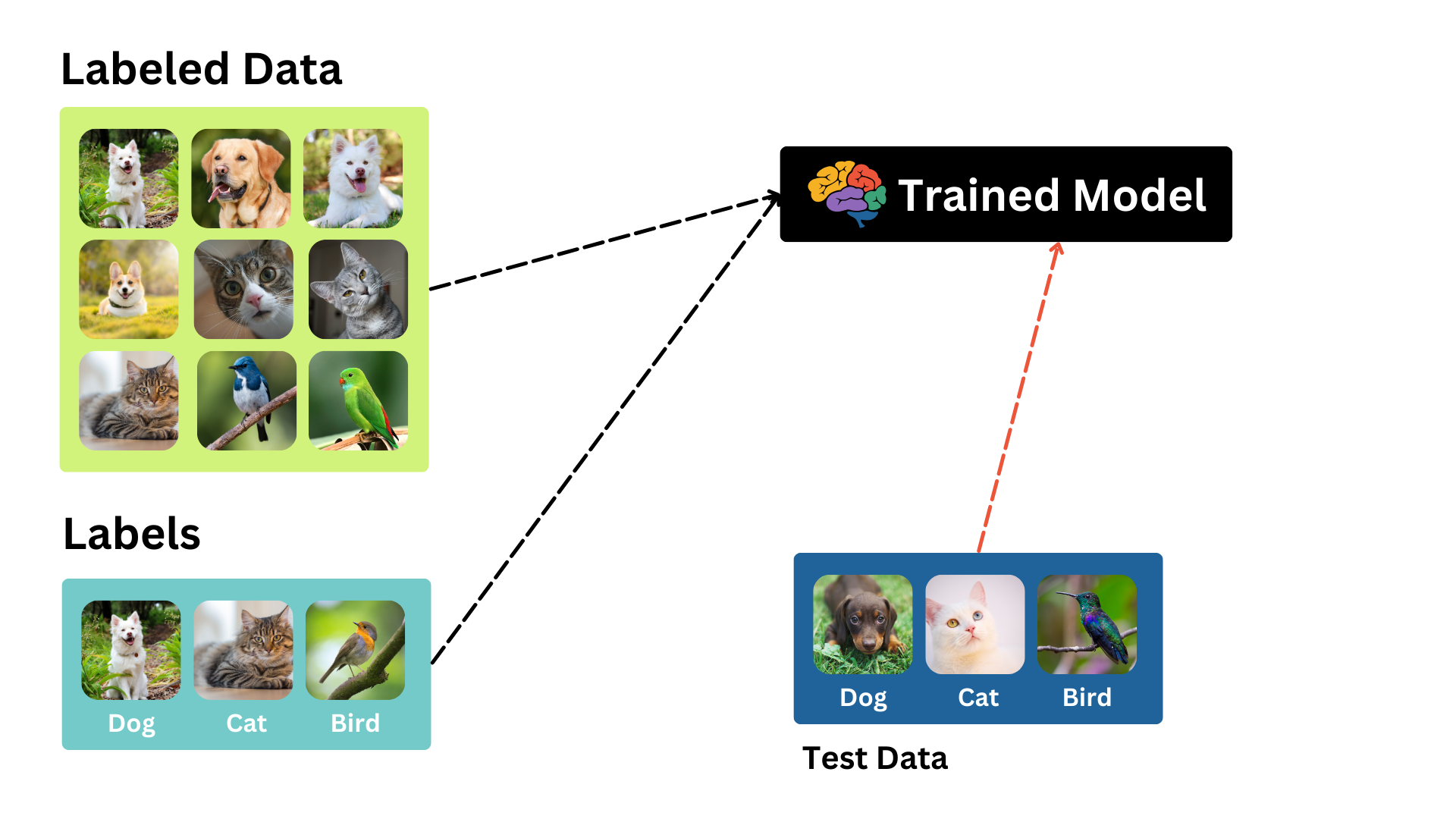
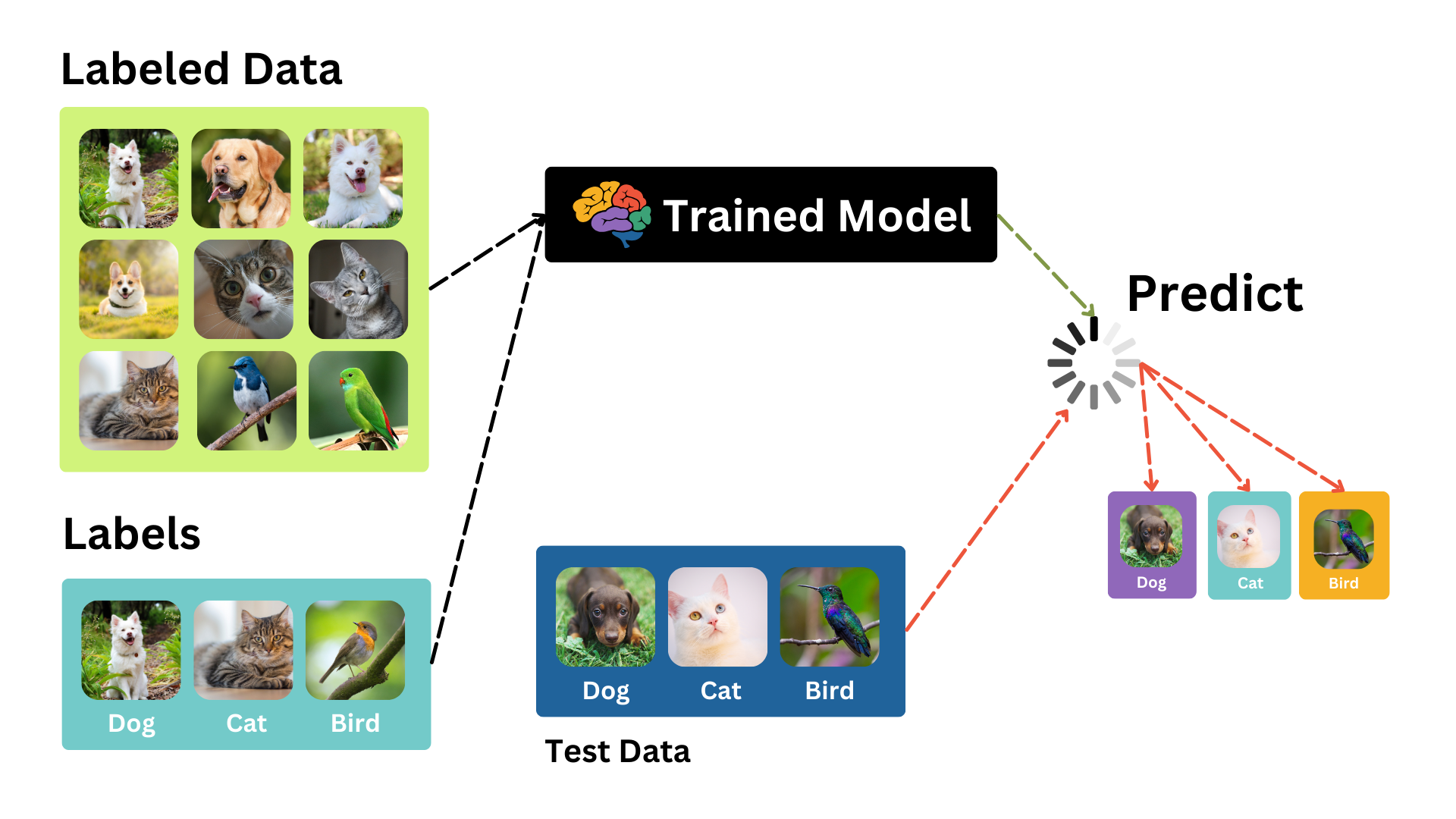
Collecting Data: The first step in image classification is gathering a large set of images. These images must be labeled correctly to teach the computer what each image represents.
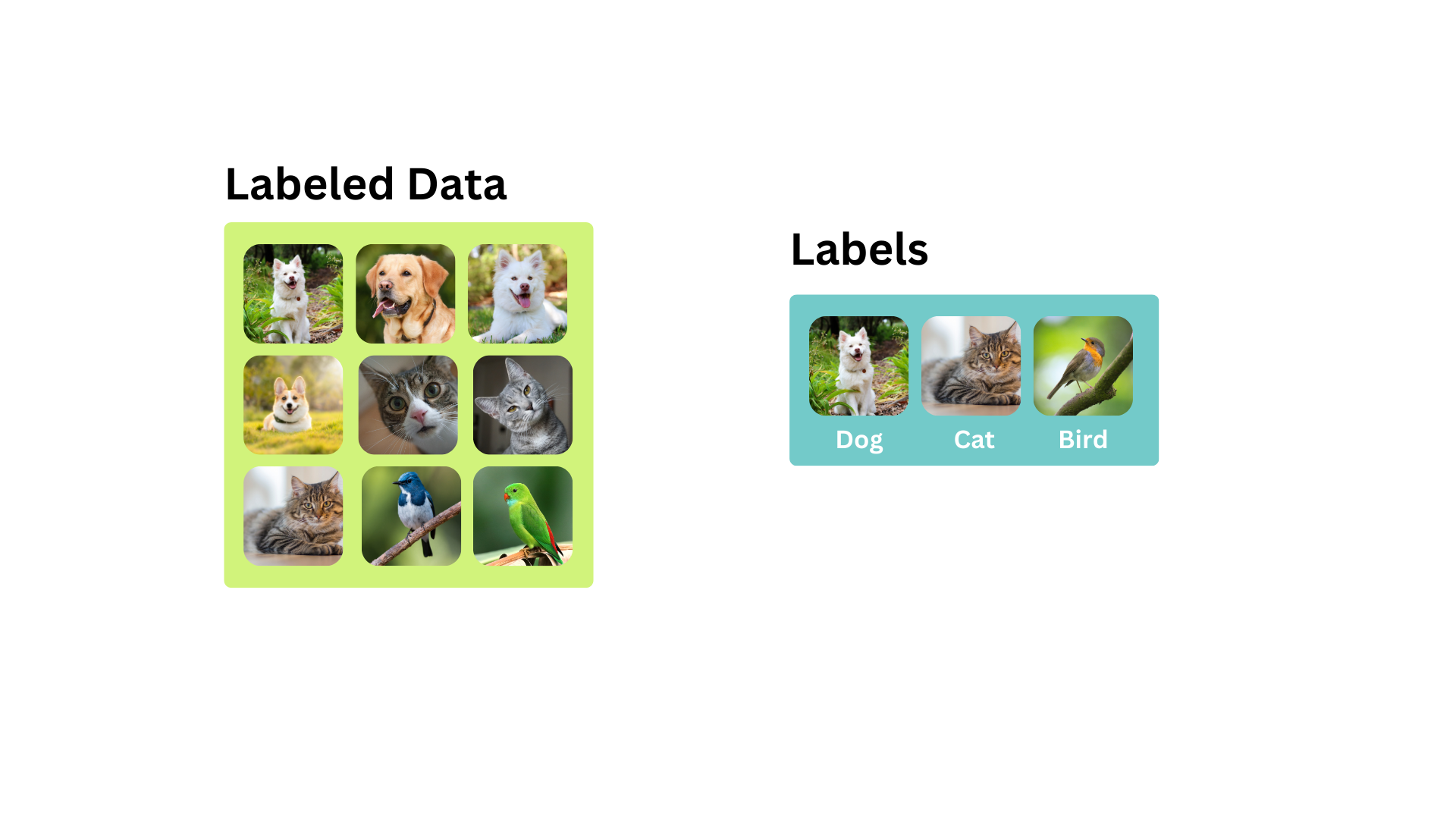
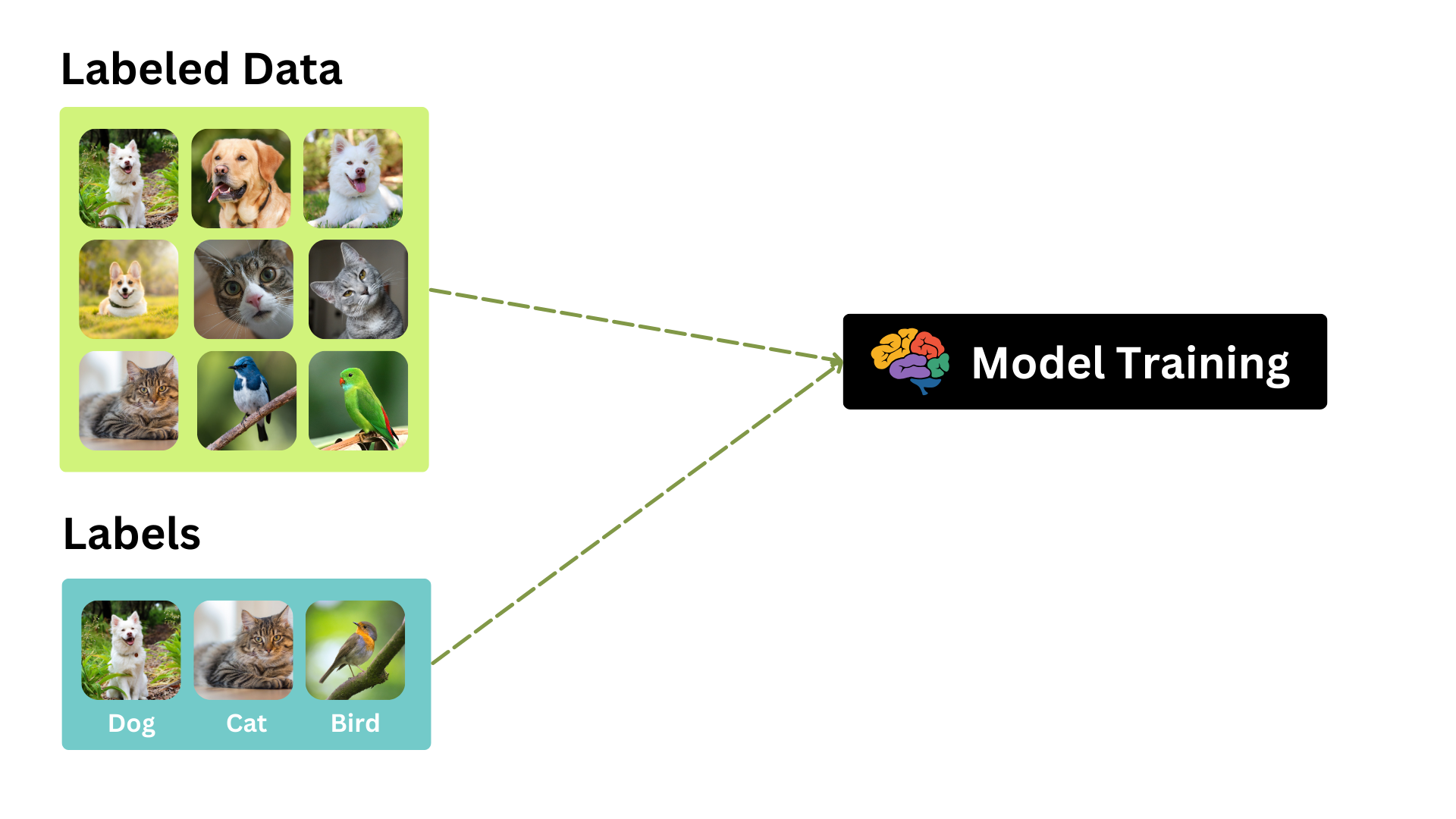
Training the Model: Using a special kind of AI model called a neural network, the computer learns from the labeled images. During training, the model examines each image and tries to understand the features that define each category.
Testing the Model: After training, the model is tested with new images it hasn't seen before. This helps to check if the model can accurately classify these new images.
Making Predictions: Once the model is trained and tested, it can be used to make predictions on new images. For example, you can show it a picture of a cat, and it will tell you if the image contains a cat or not.
Applications of Image Classification
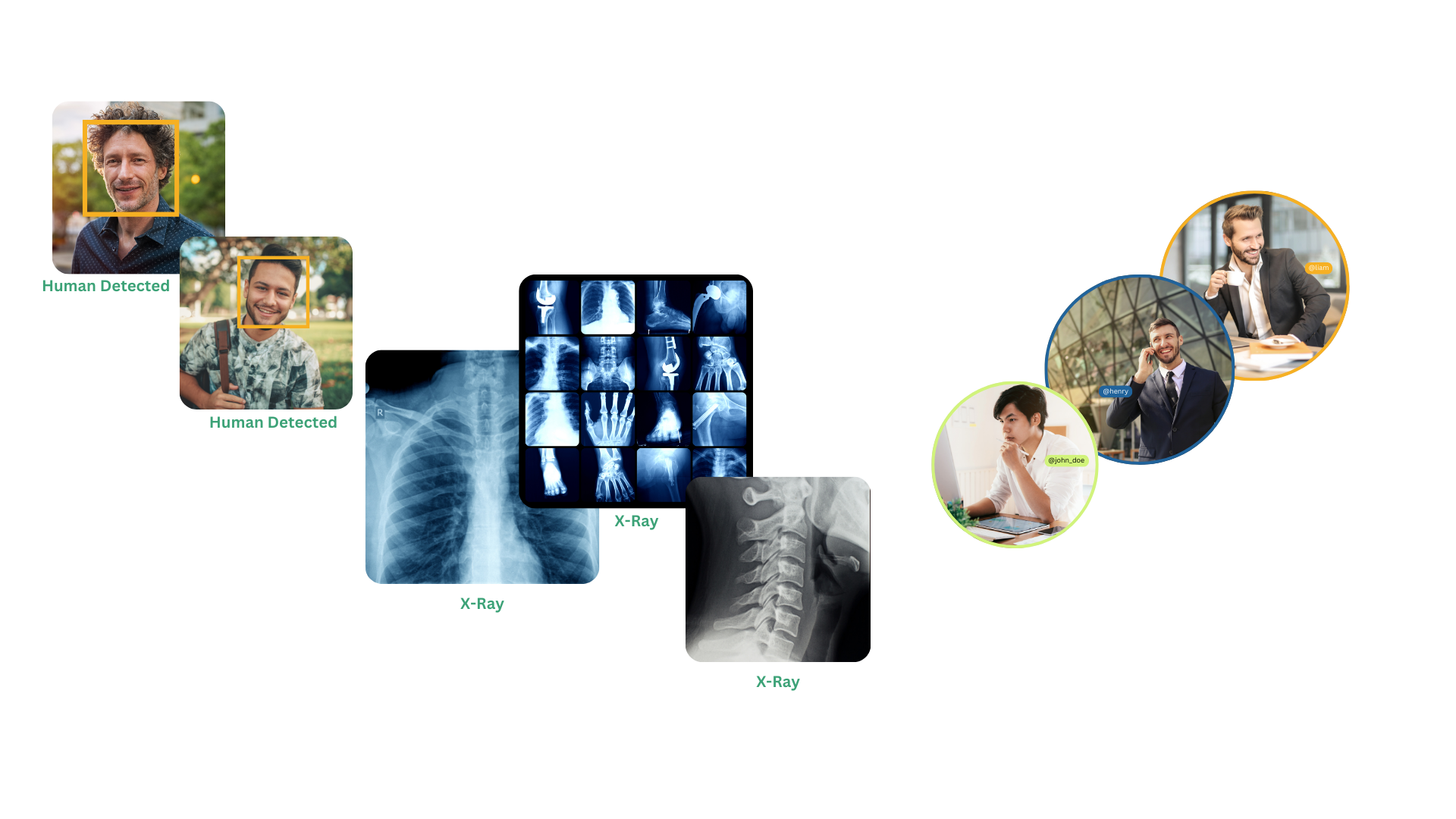
Image classification has many practical uses in our daily lives. Some of the common applications include:
Healthcare: Identifying diseases from medical images.
Security: Recognizing faces for security purposes.
Retail: Sorting and organizing products in stores.
Social Media: Tagging people in photos automatically.
Why is Image Classification Important?
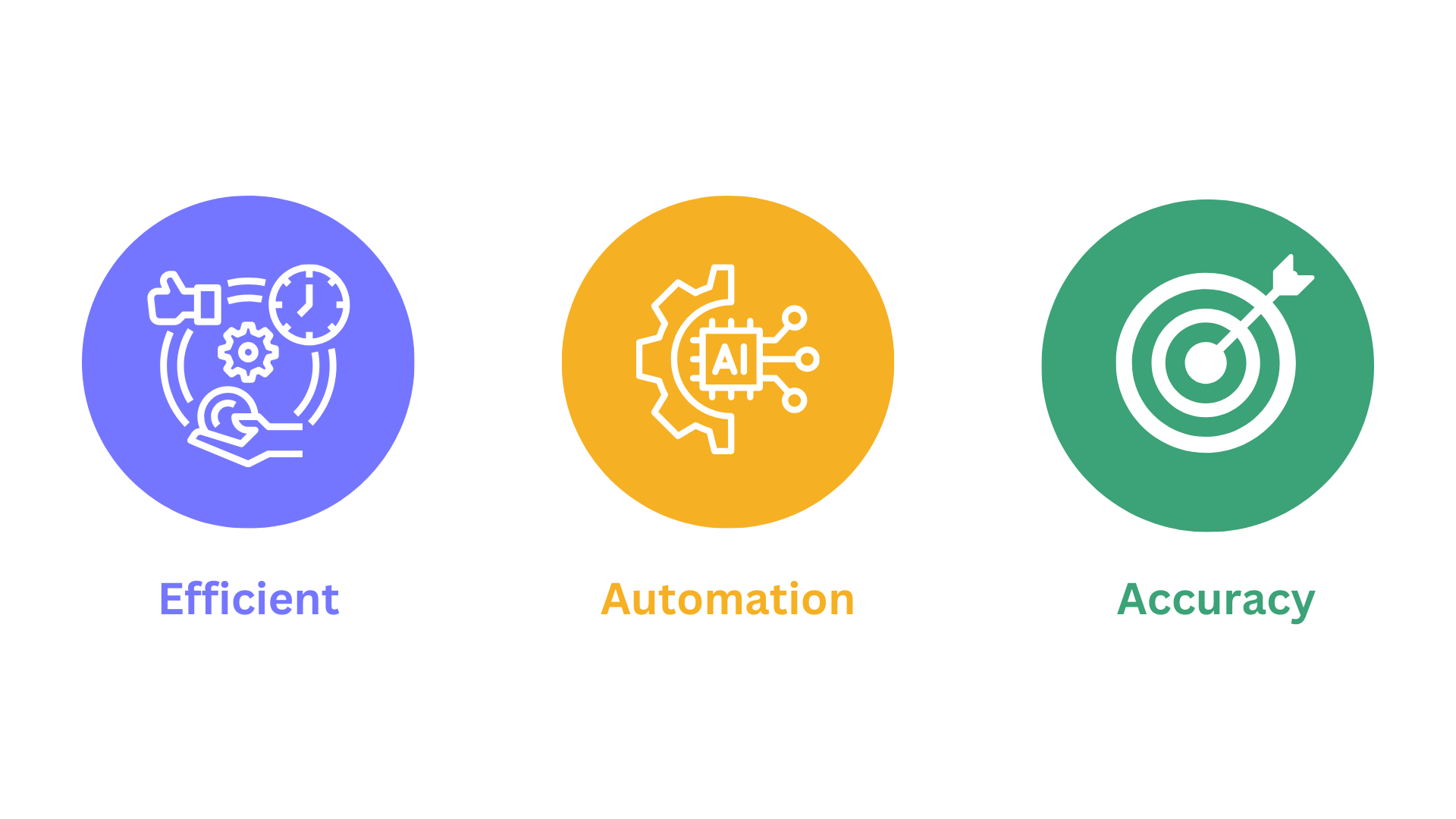
Image classification helps in many ways, making processes faster and more efficient. It reduces the need for manual work and allows computers to handle large amounts of visual data quickly. This technology is advancing rapidly and continues to make significant impacts in various fields.
Conclusion
Image classification is a powerful tool in AI that enables computers to recognize and categorize images. By understanding how it works and its applications, we can appreciate how it contributes to various aspects of our lives. As technology continues to evolve, image classification will play an even greater role in shaping our world.
About the author
- Software Engineer, Dev-ops, AWS
Comments
Join the discussionNo comments yet. Be the first to comment.


